The Pennines are the backbone of England, stretching up to the border of Scotland. I feel they are also in my bones: from the back window of the house where I was brought up you could see Kinder Downfalls at the southern end of the Pennines in the Derbyshire Peak District. The dark mass of Kinder Scout was a constant presence in my early life; I was first taken up there on a walk with my father when I was about five years old. That was before walking in the hills became so popular and years before the establishment of the Pennine Way which runs over Kinder on its first section from Edale. The experience of the alone-ness and quiet of that walk has always remained with me and I used it as the opening of an essay I recently wrote as my contribution to a collection in honour of a dear friend, Catherine Innes-Parker.
I wrote:
I remember being taken for a hike up Kinder Scout in the early 1960s when I was about five years old. Kinder Scout is the highest point in the Peak District: it is not a ‘peak’ but a desolate waste of high moorland. I had never before heard the howling silence of that empty landscape and clung on to my father’s hand.That moment of silence had an intensity that has stayed with me for over fifty-five years, and after my father’s death I found myself studying anchoritism. Now as I write this while many people are still struggling with the isolation imposed by the restrictions necessary to control a global pandemic, it seems pertinent to look at what silence meant for those living in isolation and seclusion by choice, how valuable it was in their spiritual lives and whether their practices can offer any lessons for the modern world.
The book, which is to be titled Medieval Women’s Voices: Giving Voice to Silence and edited by Liz Herbert McAvoy, Naoe Kukita Yoshikawa and me, will be published by Boydell and Brewer and include essays on medieval texts read by women, exploring the ways we can listen to their voices.
My interest in anchoritism and my desire to be alone in the hills (or with Tim: an excellent walking companion — we both feel the need to appreciate the stillness and the sounds of the natural world around us) are not as distant as may first appear. Anchorites were enclosed in small cells, but for them that was a representation of the wilderness and allowed them to escape the noise busyness of the world. The same noisy busyness that is left behind walking in the wild Pennines.
I was very pleased in 2020 to be able to walk the whole of the Pennine Journey, having had to miss a few days, including the section along Hadrian’s Wall, 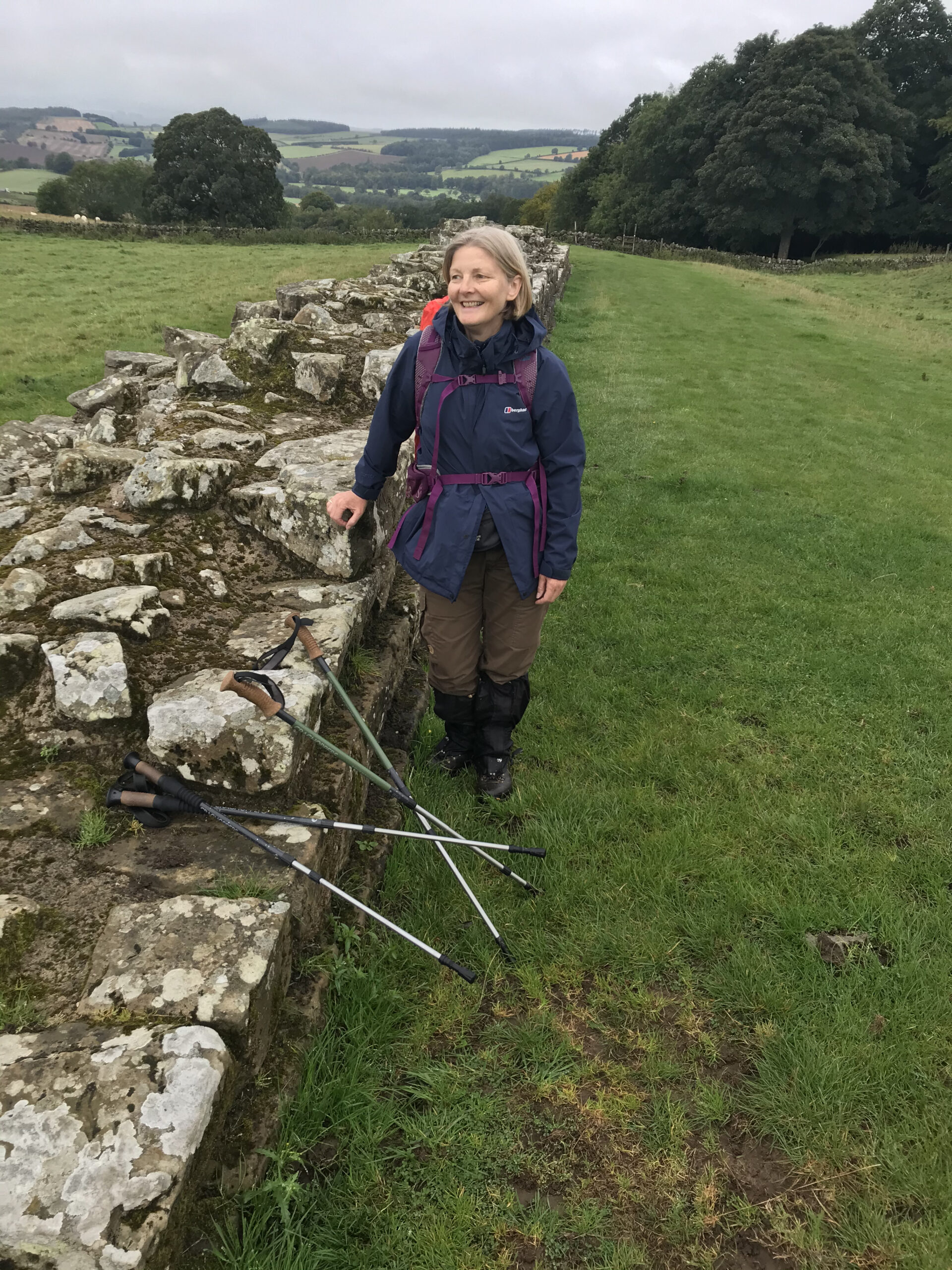
in 2016 because I’d torn a muscle in my thigh. Some of my photos are included in the Pennine Journey website, beautifully redesigned by Dik Stoddart.
The walk was (mostly!) a pleasure, with stunning views

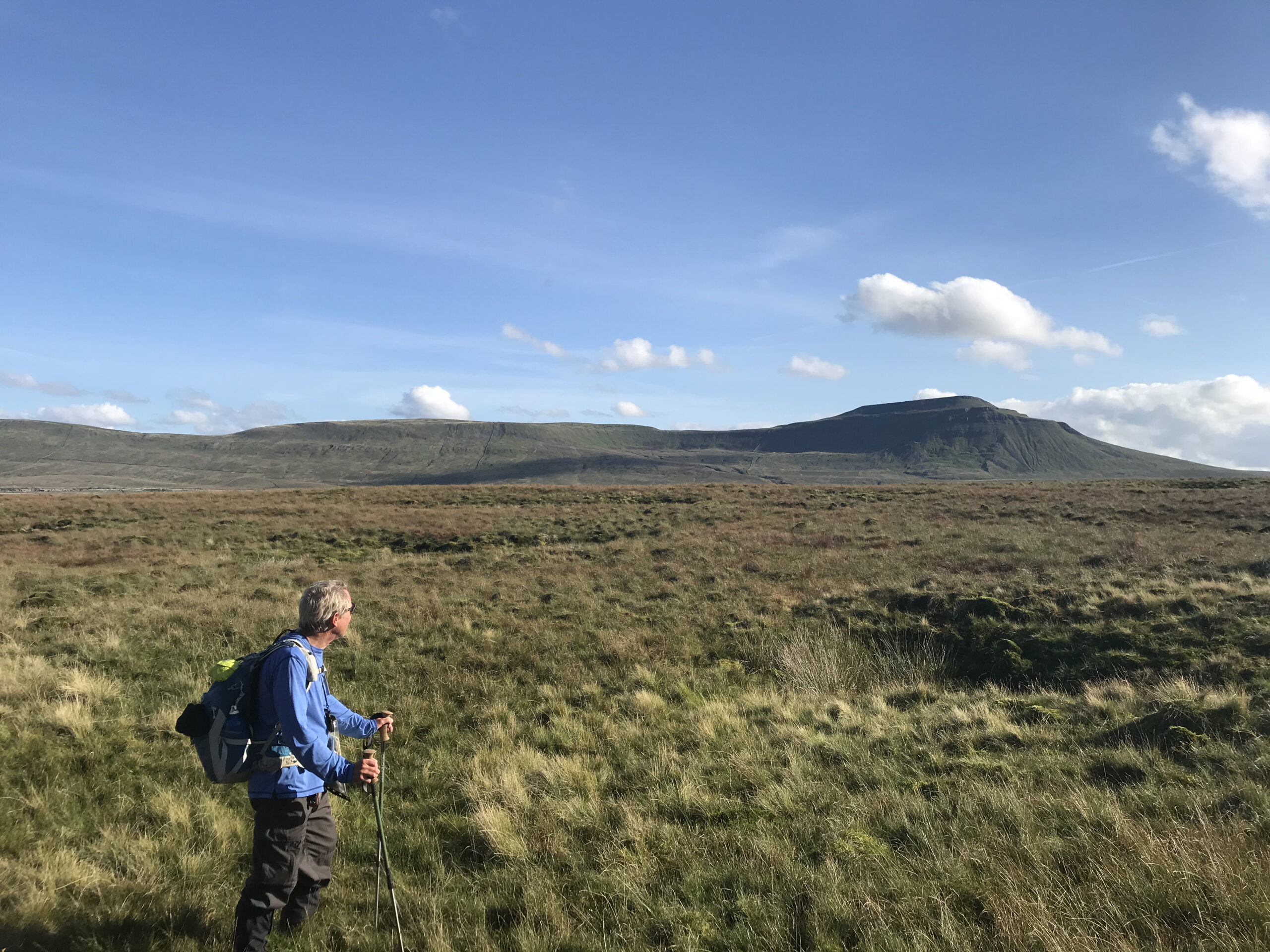
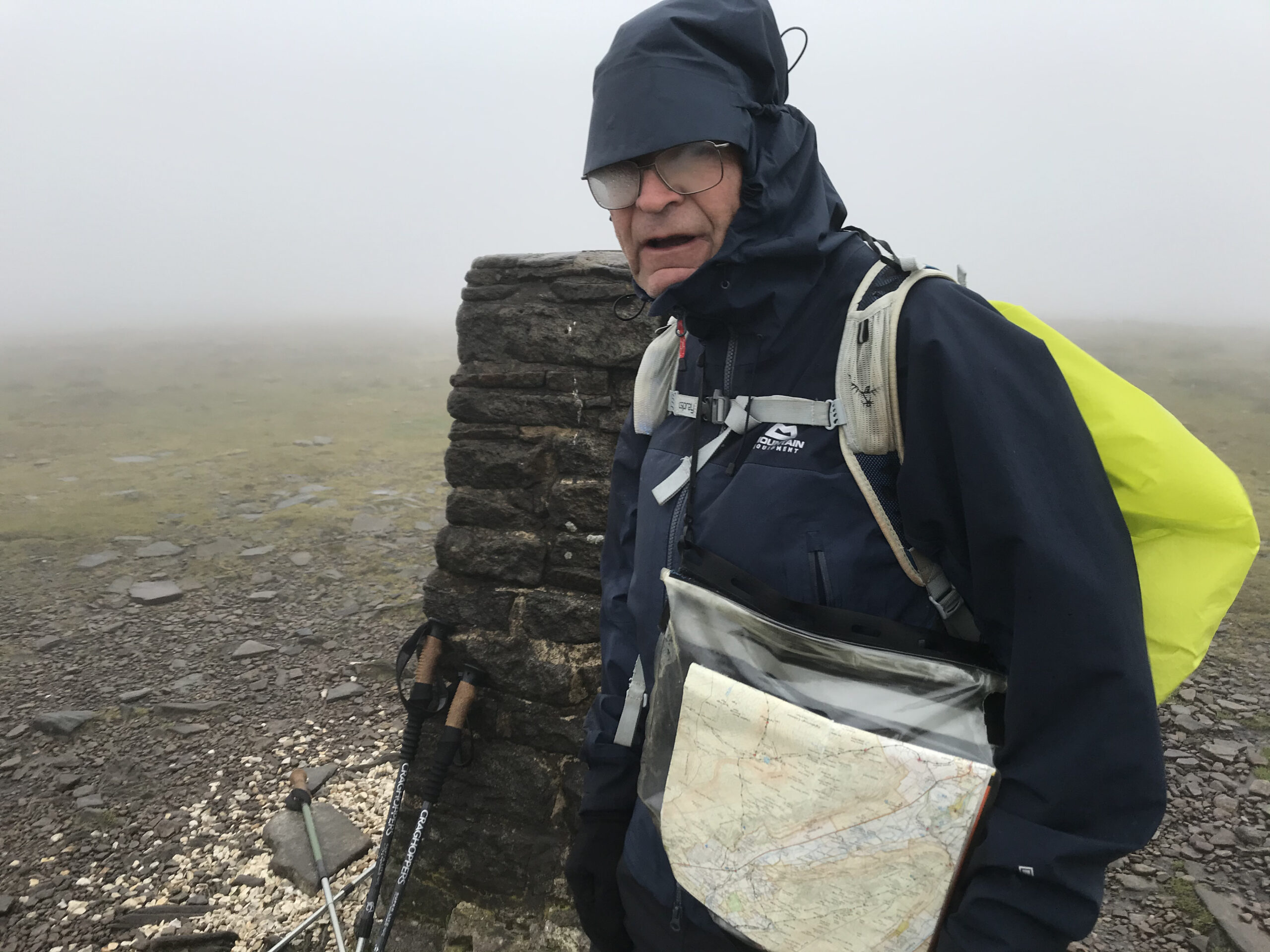
though the weather typically varied from day
to day
And this year we’re planning to walk the Pennine Way — fifty years since I first walked it! We had hoped to do the first section over a week in May and complete the walk over two weeks in July (we’re finding that three weeks’ walking is getting too much!) but I had to have an operation on my foot in January and we’ve postponed walking from Edale to Horton in Ribblesdale (and then on to Halton Gill to stay with the wonderful Amelia) until September.
2 Responses to The Pennines